There are two main types of pneumatic conveying systems to choose from: lean phase and dense phase. Each is used for different applications and includes different functions.
The most commonly used pneumatic conveying system is a lean-phase system for granules and powders. There are two subcategories extending from lean phase systems:
Dilute-phase conveying systems use velocities greater than 17-18 m/s and lower vacuum or conveying pressure below 0.1 barg. In dilute-phase conveying systems, material particles are fully suspended within the air or gas stream while the solid’s loading ratio is significantly lower.
This type of system is ideal for conveying non-abrasive materials with low bulk density. Most systems use side-channel blowers or fans to move the product through the pipelines.
Common applications for dilute phase systems include:
In medium-phase pneumatic conveying systems, the gas or air velocity typically exceeds 17-18 m/s, with a vacuum or pressure of up to 0.35 barg.
Particles travelling through the pipelines remain suspended throughout, with a low concentration or solids loading ratio. Exhausters and roots blowers are often used to push air or other gases through the system.
If you want to move sensitive or fragile products, dense phase conveying systems are ideal.
You can use these systems to handle and transfer products at lower velocities, which helps prevent impact damage. Dense-phase systems use pulses of air to push the product through, followed by a pulse of both air and product.
Unlike lean-phase systems, dense-phase systems require more precise calculations for design and proper timing. The overall density, particle size, and run length will help determine the air-to-product ratio when using these systems.
Some common applications for dense phase systems include:



 Pharmaceutical
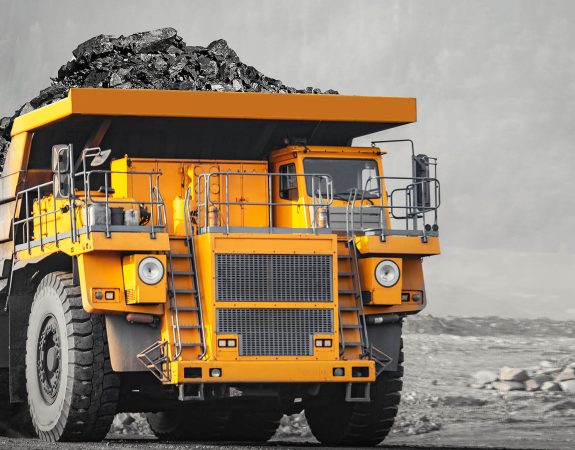
 Minerals
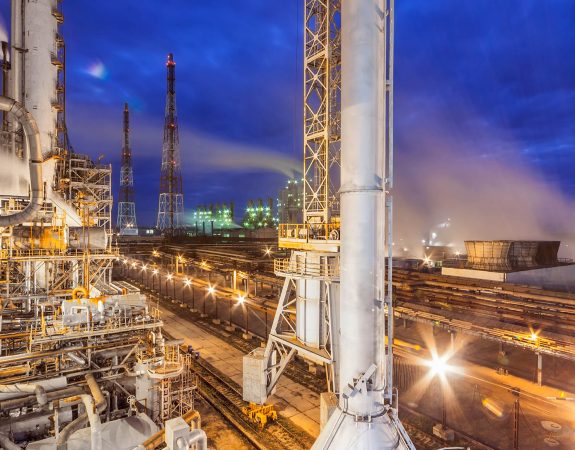
 Chemical
 Plastics
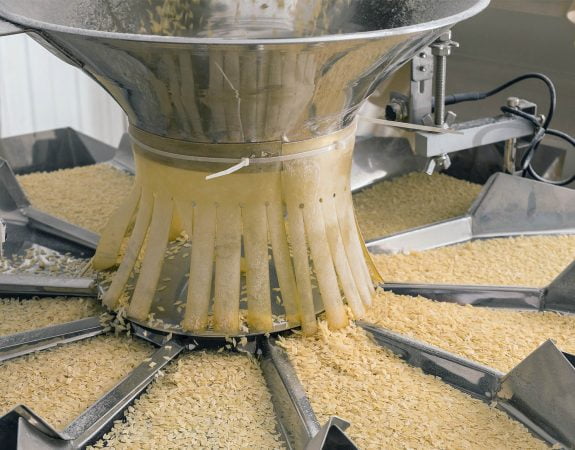
 Food
Food Petrochemical